Updated September 5, 2025 11:30AM
The Ultimate Guide to Fall Colors in Rocky Mountain National Park
Discover the best spots, peak color times and what to expect.

Head to Bear Lake to see the best fall colors in Rocky Mountain National Park. (Photo: Getty)
Fall colors in Rocky Mountain National Park are fleeting, lasting just a couple of weeks a year, but when the season hits, it’s nothing short of magic. And leading the charge in this autumnal spectacle? Quaking aspens, with their brilliant yellow hues lighting up the landscape and giving it a perpetual golden hour glow.
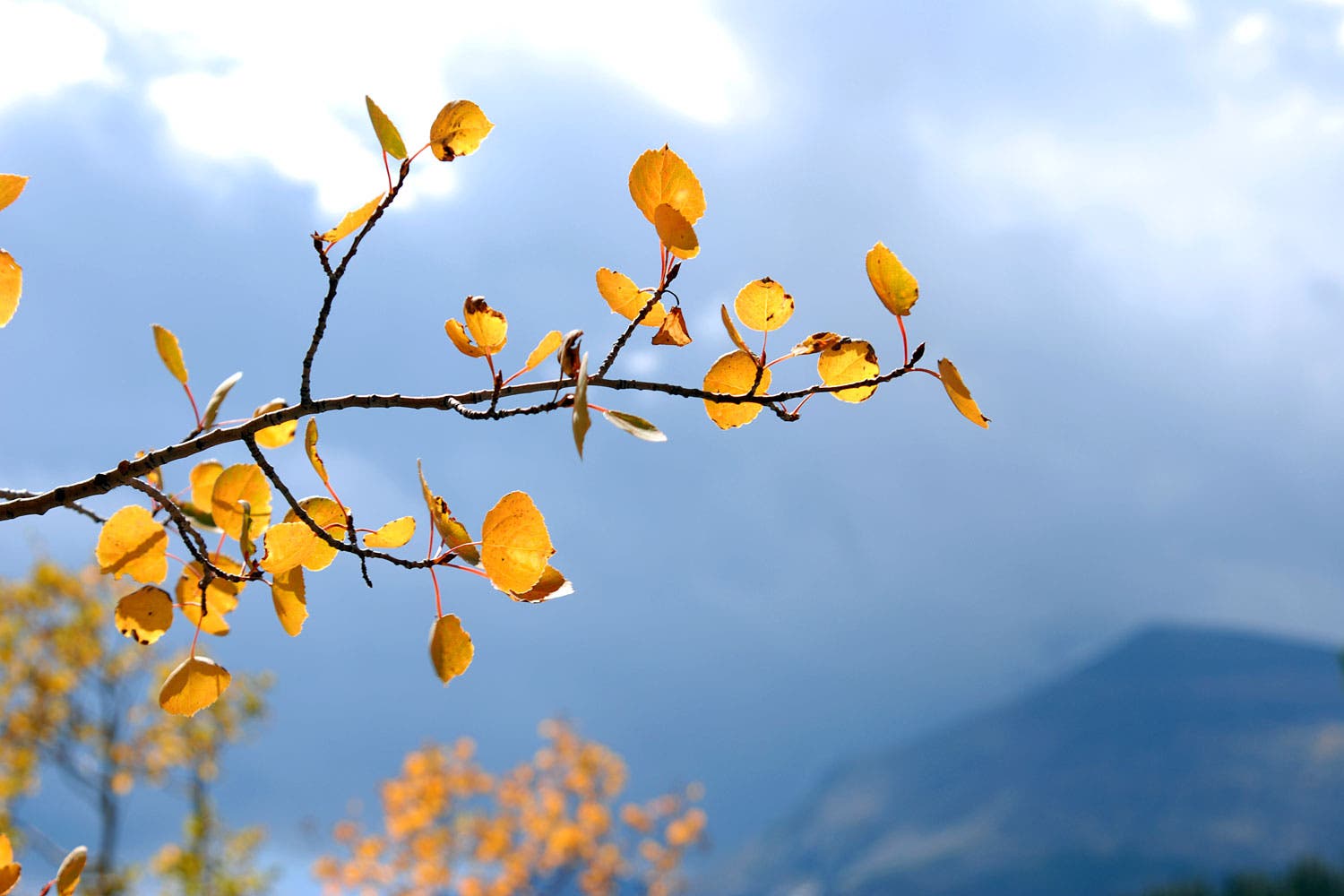
Aspens are the superstars of fall foliage in the American West and they are the most widely distributed tree in North America. Their leaves turn a vibrant yellow gold in the fall, and entire hillsides shimmer when a breeze rustles through them. Their bright tops are contrasted by the starkness of their white bark, etched with black. This golden display is especially striking against Colorado’s deep blue skies and rugged peaks.
But aspens are more than just pretty leaves, they’re also biological marvels. They are one of the few trees hardy enough to survive the harsh mountain environments. They reproduce asexually by sending up new shoots, called suckers, from a shared root system, which means that whole groves can be genetically identical. This is called clonal reproduction and results in a single, massive organism. When you walk through a grove of aspens in Rocky Mountain National Park, you get the thrill of knowing that you aren’t just admiring a group of trees, you’re witnessing a single, ancient living being. And aspen aren’t the only fall foliage to enjoy, there are also cottonwoods, willows, maples, larches, sedges and plenty of alpine plants that change with the season. Read on for all the best intel on how to experience this magical season in Colorado’s favorite national park.
Where Are the Best Spots to See Fall Colors in Rocky Mountain National Park?
Rocky Mountain National Park offers some of the most scenic and diverse fall foliage experiences in the country. Here are the top places to soak it all in:
ADVERTISEMENT
Moraine Park
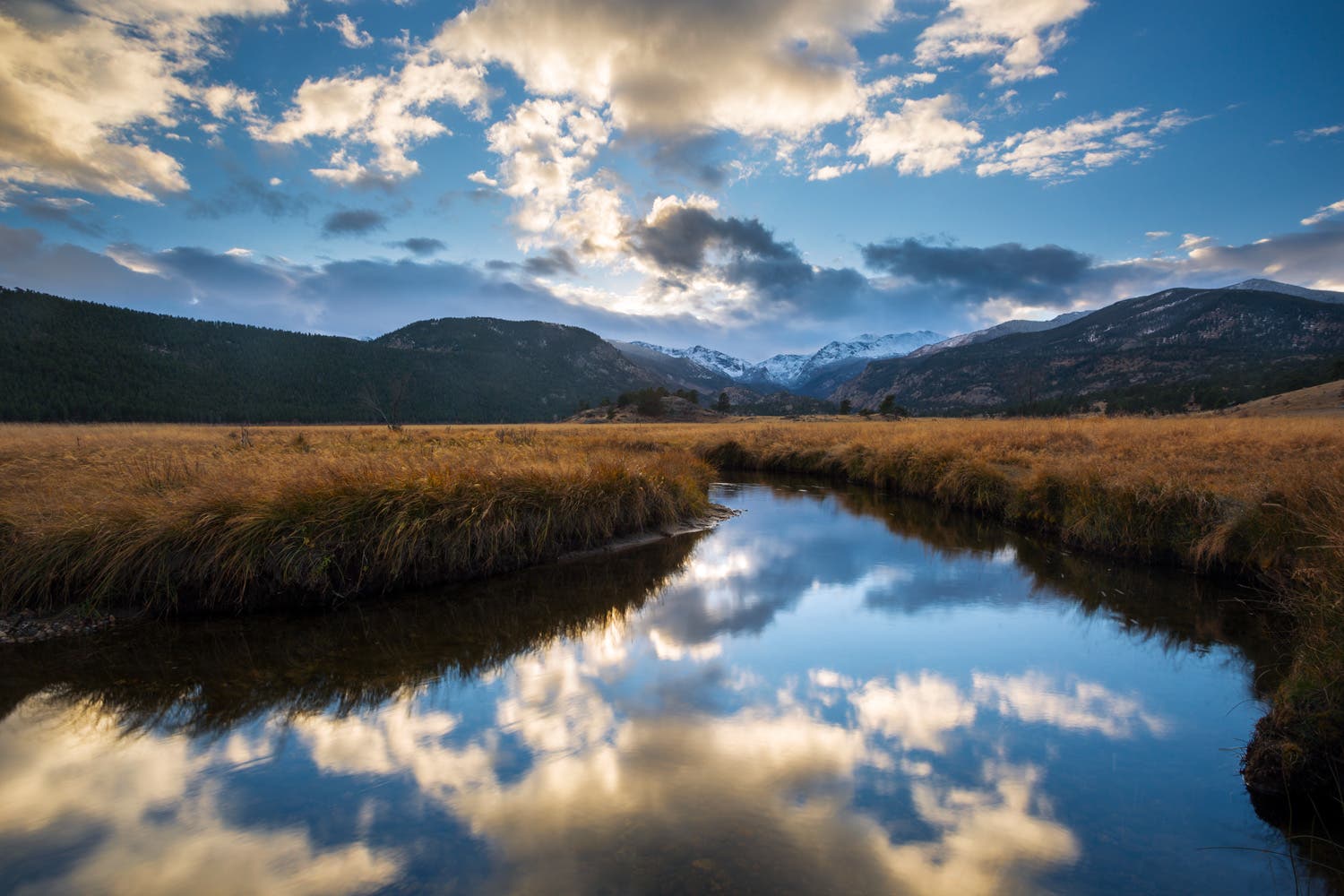
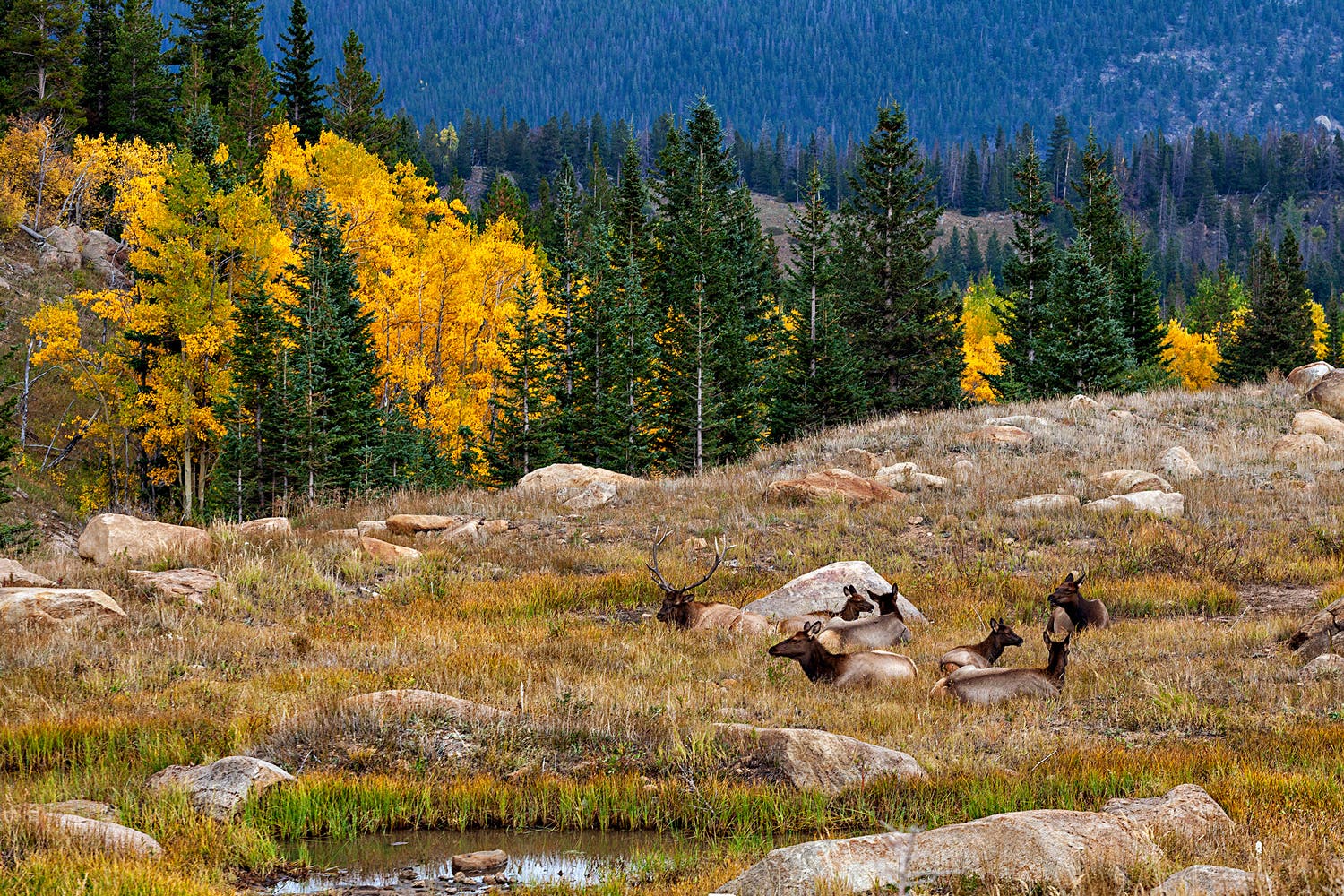
One of the first destinations on Bear Lake Road is Moraine Park, a wide open meadow with mountain backdrops, elk herds and scenic views of Longs Peak and the Continental Divide, making it a top spot for photography. The Moraine Park Discovery Center, a seasonal visitor center open from late May to early October, offers educational displays for all ages focused on wildlife and the Moraine Park area. It’s also a hub for popular hikes like the 4.8-mile roundtrip hike to Cub Lake and the Fern Lake Trail which takes you by The Pool, Fern Lake, Fern Falls, Spruce Lake and Odessa Lake along its 10-mile roundtrip length. Just make sure you follow posted signs in the autumn and stay off closed trails as rutting elk congregate here and can become aggressive.
Glacier Gorge Trail
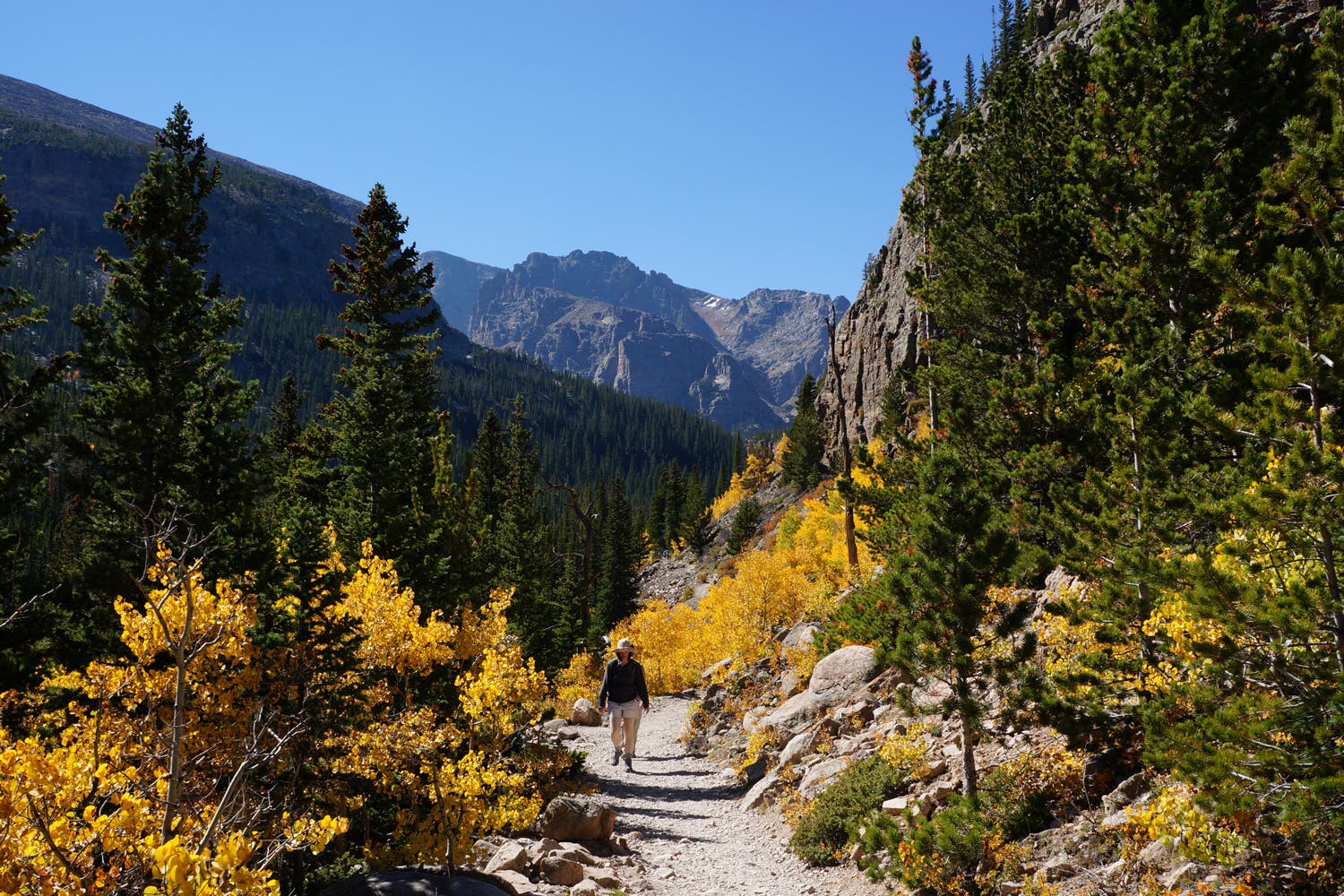
Glacier Gorge Trail is a treasure trove of high elevation destinations, meaning plenty of fall foliage peeping. Leading to Alberta Falls, Mills Lake, the Loch and more, this trail features aspens that line the path creating a golden tunnel of leaves in late September. This is one of the most popular hiking trails in the park so plan ahead as the trailhead parking typically fills early in the day.
ADVERTISEMENT
Note: Parts of Moraine Park, specifically along Fern Lake and Glacier Gorge Trails, were burned in 2020 during the East Troublesome Fire. These areas are still recovering, meaning fall colors may vary over the coming years as plant populations bounce back.
Bear Lake Road
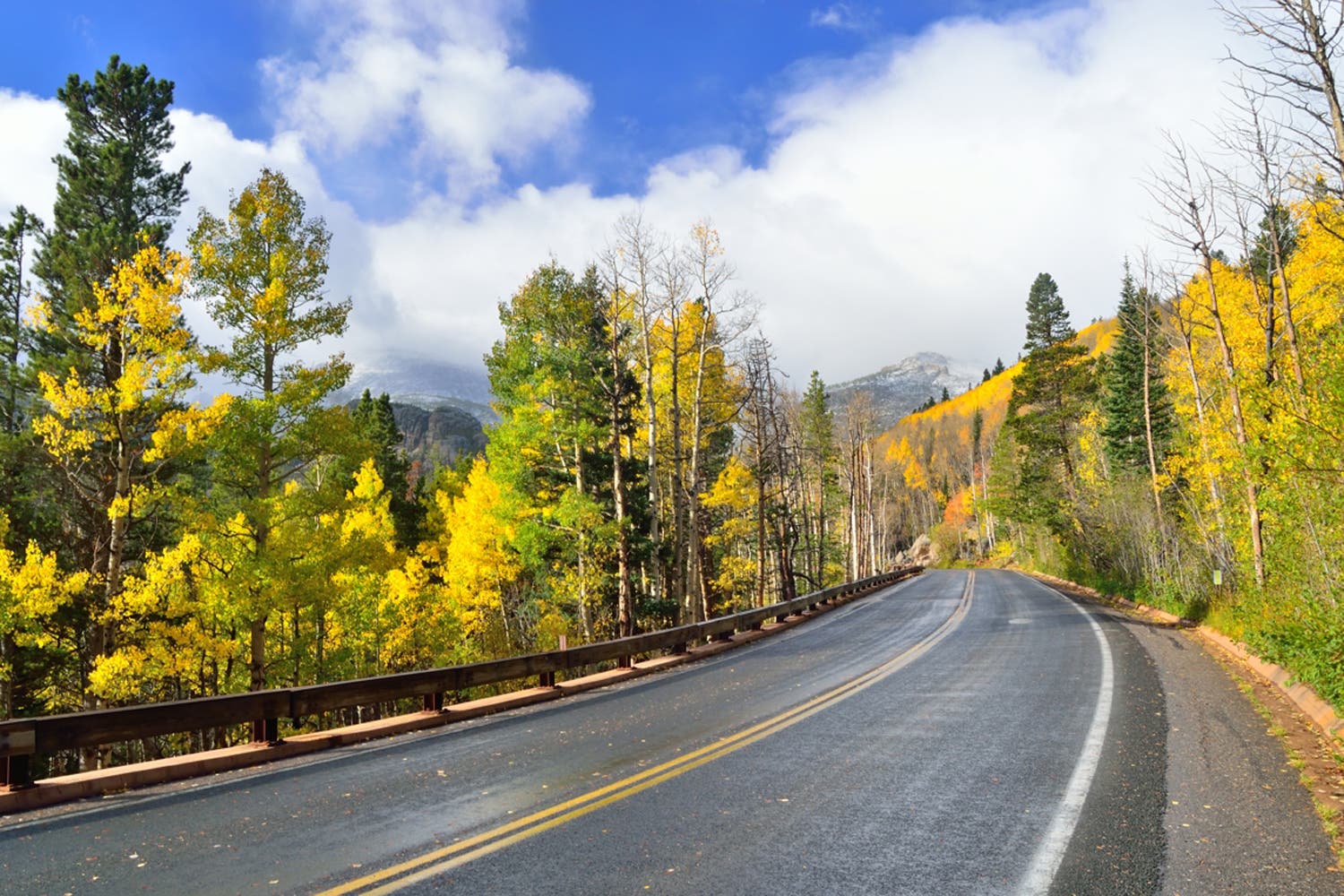
This iconic 9.2-mile paved corridor is a fall favorite. The road starts out at 8,200 feet and winds its way up to 9,475 feet, ending at the Bear Lake Parking Area and trailhead. To get to Bear Lake Road, enter the park through the Beaver Meadows Entrance and drive along U.S. Highway 36 for approximately 0.2 miles before turning off. From the Bear Lake Parking Area you can access a veritable punch list of amazing hikes like Bear Lake Loop, Dream Lake, Emerald Lake, Mills Lake, Odessa Lake, Flattop Mountain and more, each showcasing stunning aspen displays, especially in morning light.
Trail Ridge Road
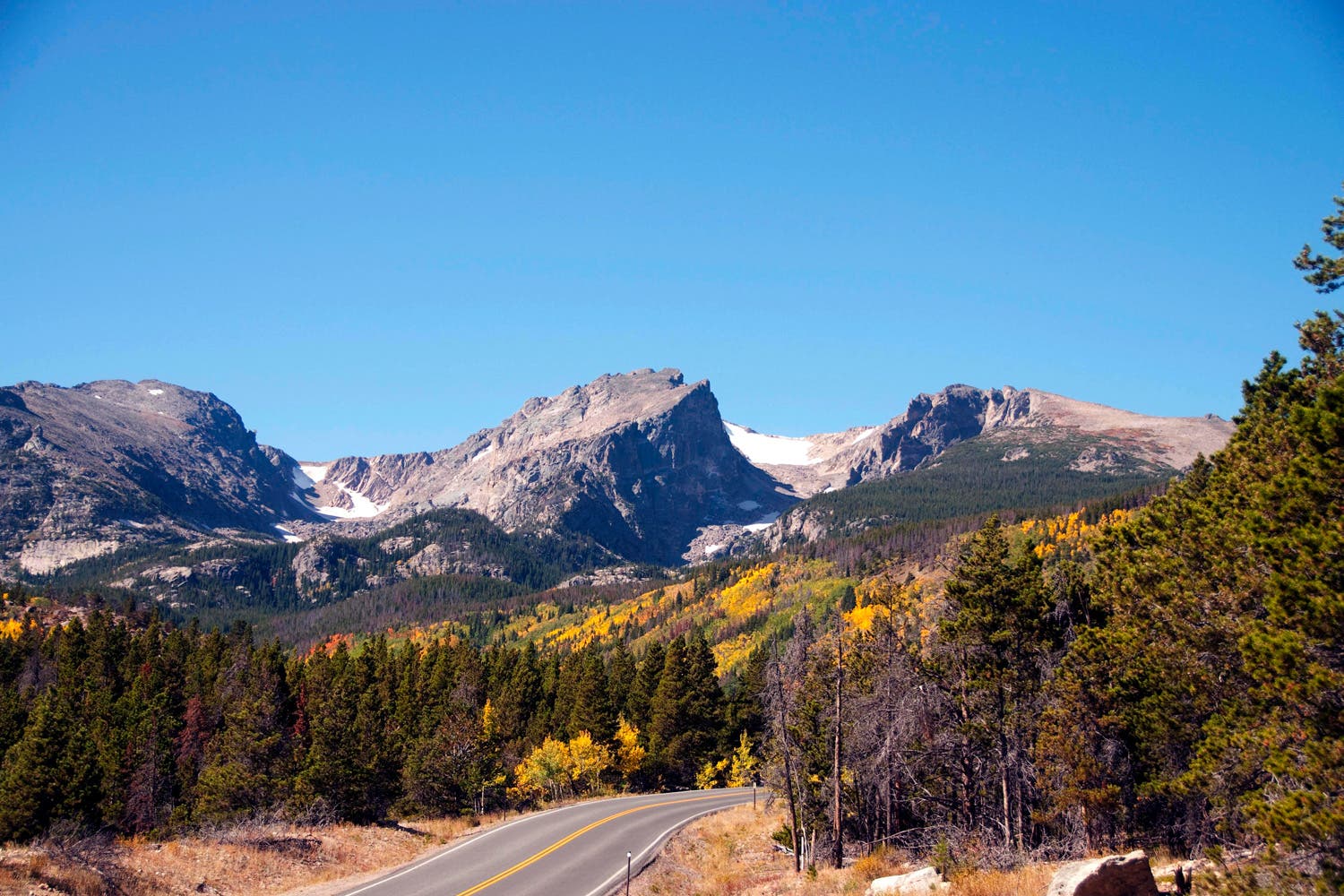
This scenic byway is known for being one of the highest elevation, continuously paved roads in the United States, reaching 12,138 feet and extending for 48 miles to connect Estes Park with Grand Lake. It traverses alpine tundra and offers overlook after overlook of golden valleys, as well as frequent wildlife viewing, all from the car. If you’re lucky you could see yellow-bellied marmots, pika and white-tailed ptarmigan, so bring your binoculars. Take a rest along your drive at Alpine Visitor Center, the highest visitor center of its kind in any national park. Always check conditions before you go as this road often closes mid-October due to snow.
Kawuneeche Valley
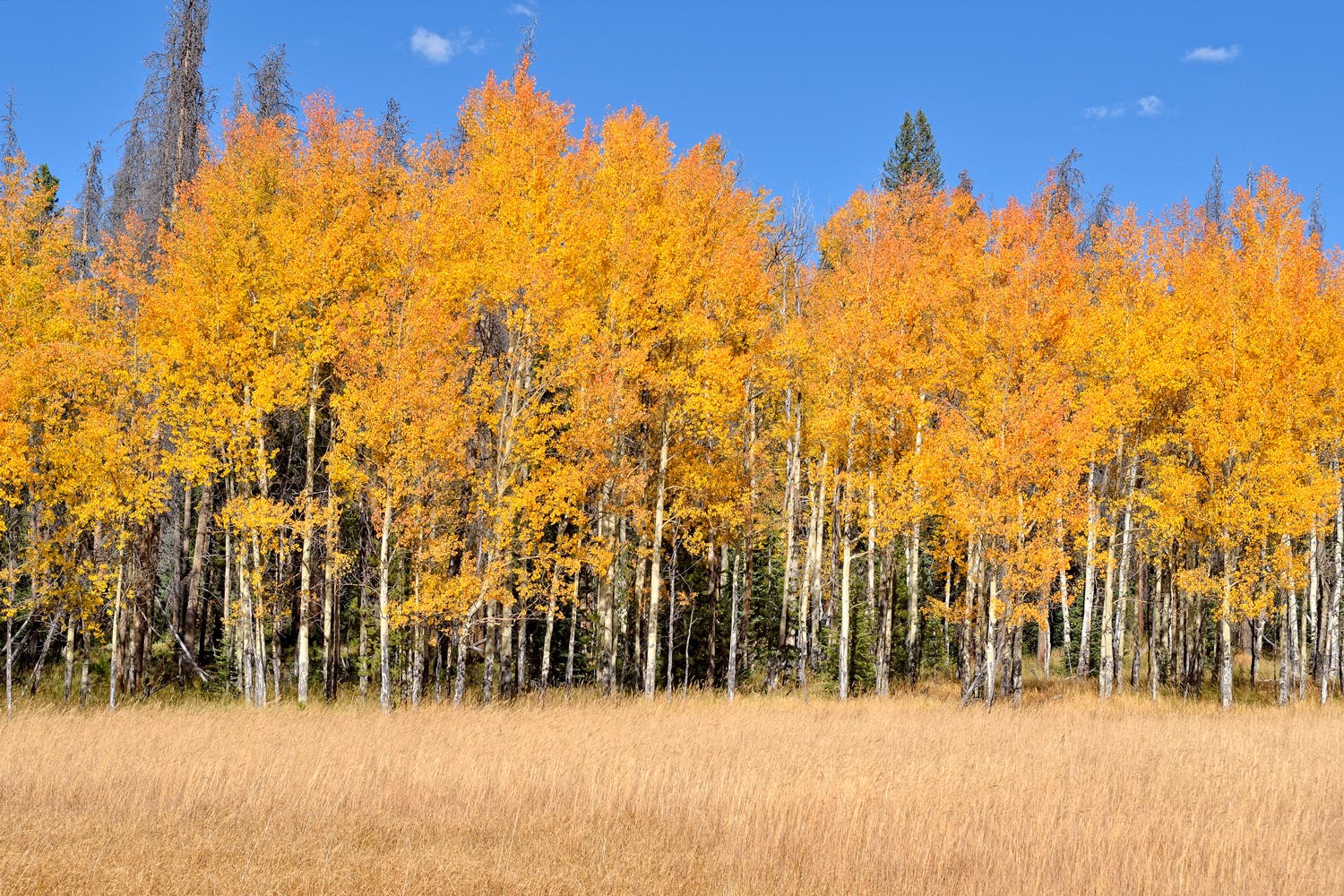
On the west side of the park near Grand Lake and along Trail Ridge Road, this valley offers a quieter, less crowded fall experience. You’ll see rich colors from aspens, willows and sedges and likely hear the haunting bugle of bull elk. Harbison Meadows, located in the valley, is a particularly spectacular spot to see changing colors and spot wildlife, like moose.
ADVERTISEMENT
When Do Fall Colors in Rocky Mountain National Park Peak?
Leaves start changing color in the subalpine zone (9,000 to 11,000 feet elevation) in late August and progress down the slopes, reaching the montane zone (5,000 to 9,500 feet elevation) by mid month. However, there are many things that can impact fall colors, including variations in moisture, temperature and light, causing the peak color season to be longer, shorter, earlier or later than usual. Location can also have an impact, with the west side (Grand Lake) portion of the park peaking a week earlier than the east side (Estes Park). Colorado’s local news station, 9News, updates a prediction map every autumn to help you plan your viewing. Also, expect closures on Trail Ridge Road and Old Fall River Road starting mid-October due to early snow and always check current conditions before heading out. Snow can fall as early as August at the park’s highest elevations, causing temporary closures.
What Fall Colors in Rocky Mountain National Park Can You Expect?
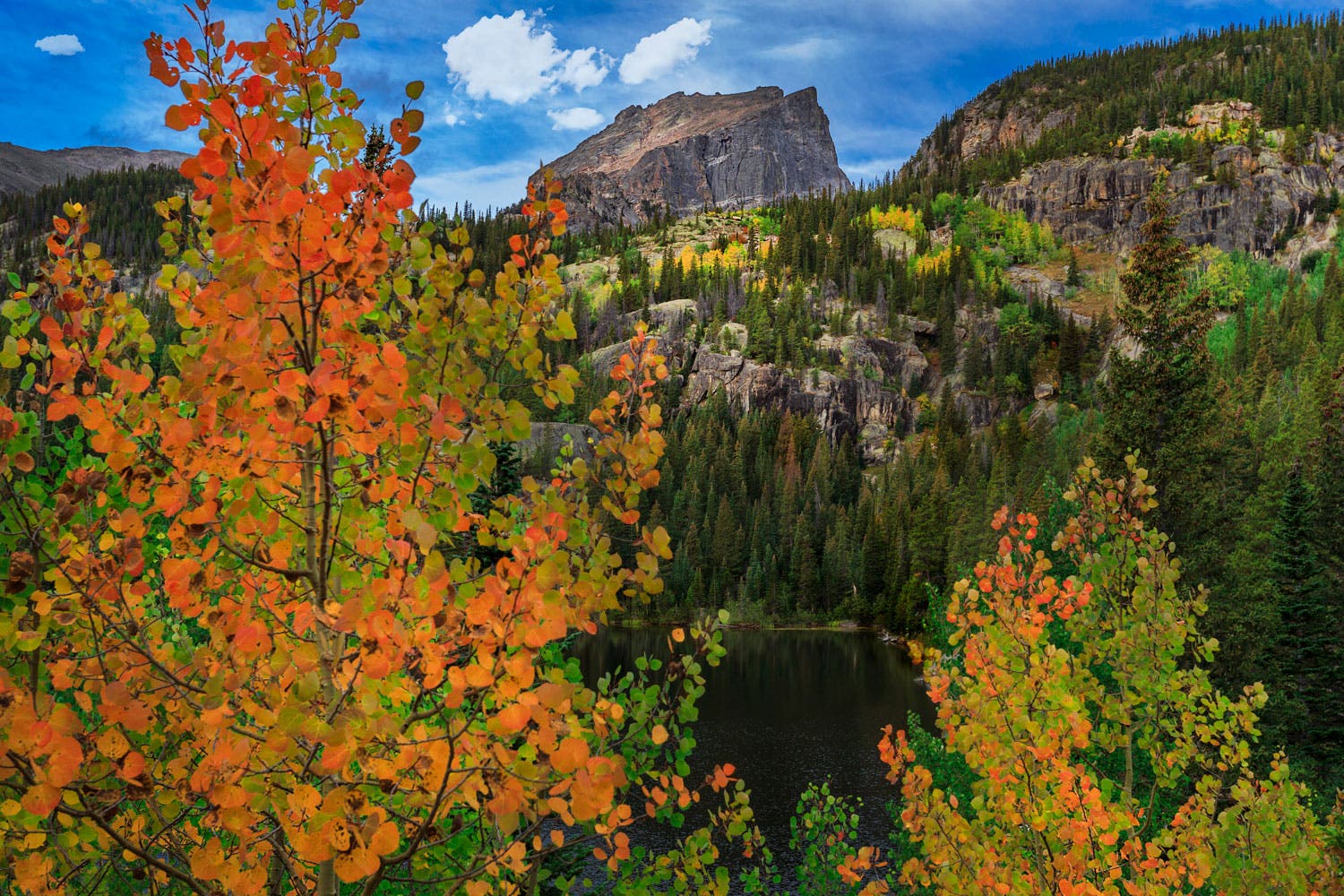
While aspens are often the star of the show, there are many different plants that change color during the fall season in Rocky Mountain National Park. Here’s a quick breakdown of the other kinds of foliage you might see, their signature colors and where you can expect to find them.
- Cottonwoods: Deep yellows and oranges, found mostly along lower elevation rivers and roads.
- Kinnikinnick: Carpeting montane to alpine slopes, this low-lying evergreen shrub transitions to a bronze or reddish purple in the fall, especially in sunny areas.
- Creeping Oregon Grape: Found on rocky slopes and forested areas, the leaves turn a spectacular color of dark orange to rich red.
- Willows: With fifteen different willow species throughout the park, you can find these dominant woody shrubs in wet meadow and riparian areas, creating bright yellow swaths along creeks and around lakes.
- Cushion Plants: These low growing, mat forming plants turn subtle reds and russets that color the tundra in fall.
- Rocky Mountain Maple: Turning an iridescent yellow at first, these leaves later shift to a glowing deep orange red.
Other Autumn Activities in Rocky Mountain National Park
Fall is a great time for leaf peeping but the changing weather brings other exciting attractions as well.
ADVERTISEMENT
Elk Rut: Nature’s Autumn Soundtrack
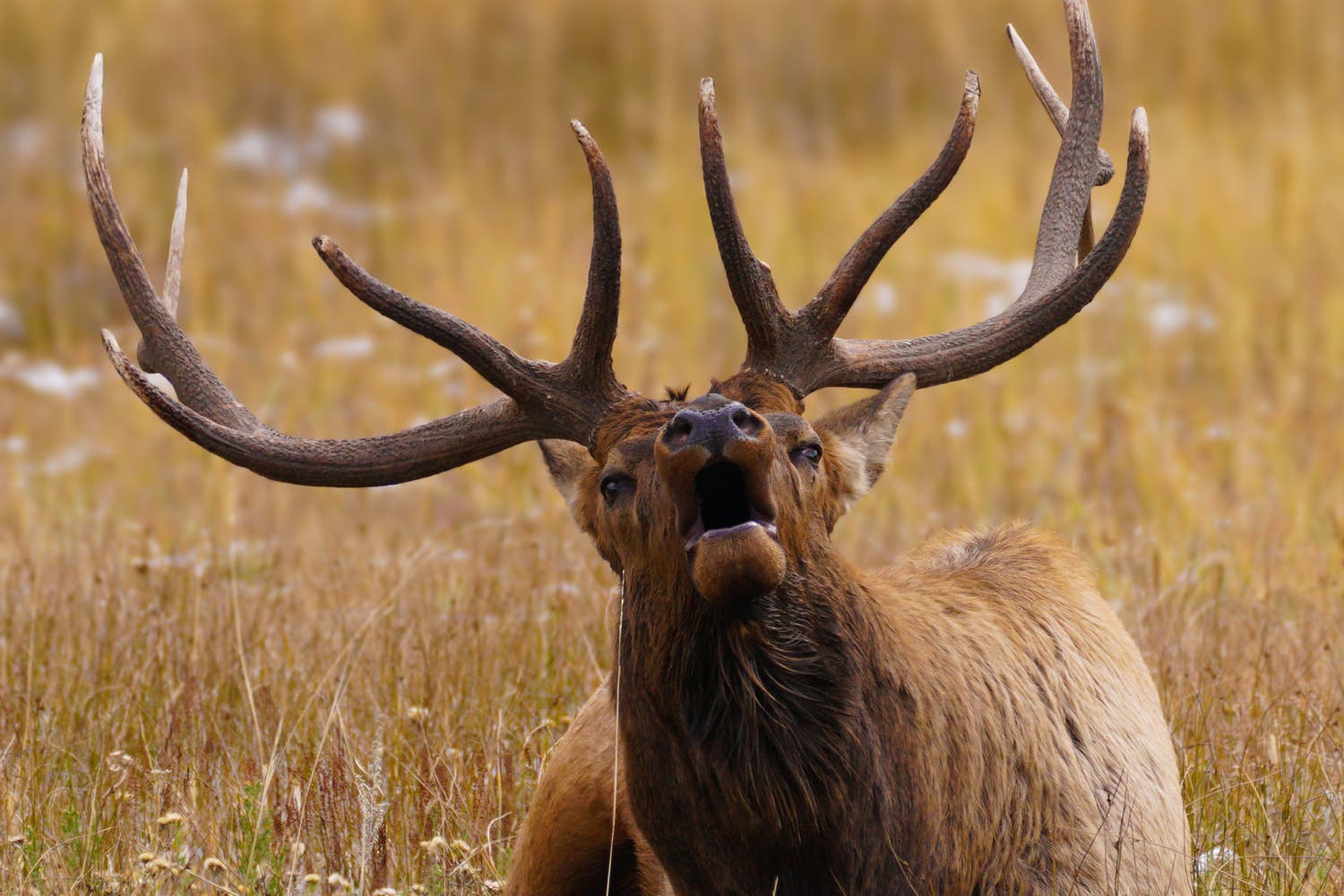
Fall isn’t just about the foliage. It’s also elk mating season in Rocky Mountain, known as the rut. From September through November, bull elk bugle, clash antlers and display dominance in places like Moraine Park, Horseshoe Park, Kawuneeche Valley and Hidden Valley. You’ll likely hear their eerie, high pitched calls echoing through the crisp morning air, a surreal fall experience. Remember to always keep a safe distance from wildlife (120 feet from bears and moose, 75 feet for all other animals). Most animals are more active at dawn and dusk, making an early morning hike or evening drive a great time to see them.
Fall Fishing Opportunities
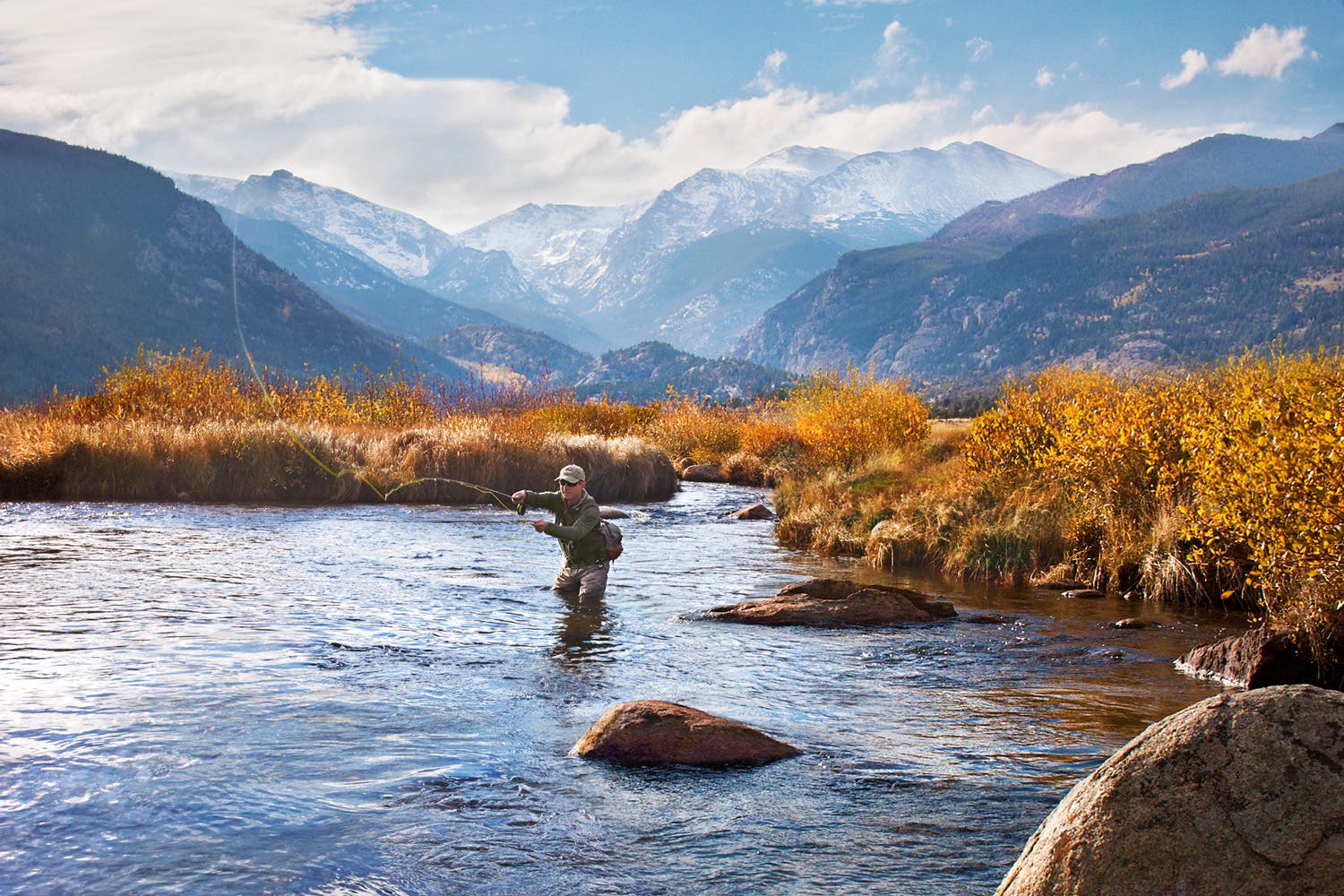
Autumn is also a great time to cast a line. Fishing is a popular activity in the park, and the lakes, rivers and creeks are home to populations of brown, brook, rainbow and cutthroat trout, as well as suckers and sculpin. Since the 1970s the park has worked hard to restore the native cutthroat trout populations and all fishing is permitted in order to balance recreation with efforts to restore and perpetuate natural aquatic conditions. All persons over the age of 16 are required to have a valid Colorado fishing license to fish in Rocky Mountain National Park (which can be purchased at many retailers like Wal-Mart or online. and it’s your responsibility to know and obey special park regulations. Additionally, please help protect fish and their habitats from invasive organisms by properly disinfecting your waders and other gear. Cooler temps and fewer crowds make fall fishing a peaceful bonus to your foliage tour. Top spots include Glacier Creek, Dream Lake, Pear Lake and creek, Ouzel Lake and Roaring River.
How to Plan a Trip to See Fall Colors in Rocky Mountain National Park
Even with the weather turning, fall tends to be one of the most popular times in the park. Certain areas, like Bear Lake Road, are especially popular year round. When visiting please plan ahead and try to be flexible. Consider the following tips to make your visit a success:
- Make a reservation: Timed-entry reservations are required to enter Rocky Mountain between 9 a.m. and 2 p.m. from May 23 to October 13. Additionally, Bear Lake Road requires separate reservations if you plan to visit between the hours of 5 a.m. to 6 p.m., May 23 to October 19. These reservations assign you a time slot when you can enter the park, helping to limit crowding at trailheads and popular destinations.
- Arrive early: Even with a reservation parking isn’t guaranteed. Popular trailhead parking lots fill up fast. If parking is full consider visiting another area of the park and coming back later in the day. If the free park shuttles are still running (they run from May to mid-September) take public transit.
- Bring the 10 essentials: This includes packing sufficient snacks and water with you and carrying a paper map and compass (make sure you know how to use them), in addition to a cell phone or GPS device.
- Dress in layers: In the fall, mornings can be near freezing, but afternoons are often mild.
- Stay flexible: Weather changes quickly, especially at higher elevations. Check weather reports before heading out for the day and be willing to change your plans if weather conditions exceed your outdoor experience.
- Have your camera ready: With the fall season comes any photographer’s dream photo ops, but all that unpredictable weather makes it hard to plan the perfect shot. Instead of stressing, we asked professional Tamron photographer André Costantini how to make the most of your time in the park when it’s hard to predict what you might find.
ADVERTISEMENT
Loved this article? There’s more to explore with our weekly newsletters. Get inspired with tips on where to go and what to see on your next national park adventure, delivered straight to your inbox. Unsubscribe anytime.
Form below not working? Click here.
